
Isabella Darke
Bsc MA
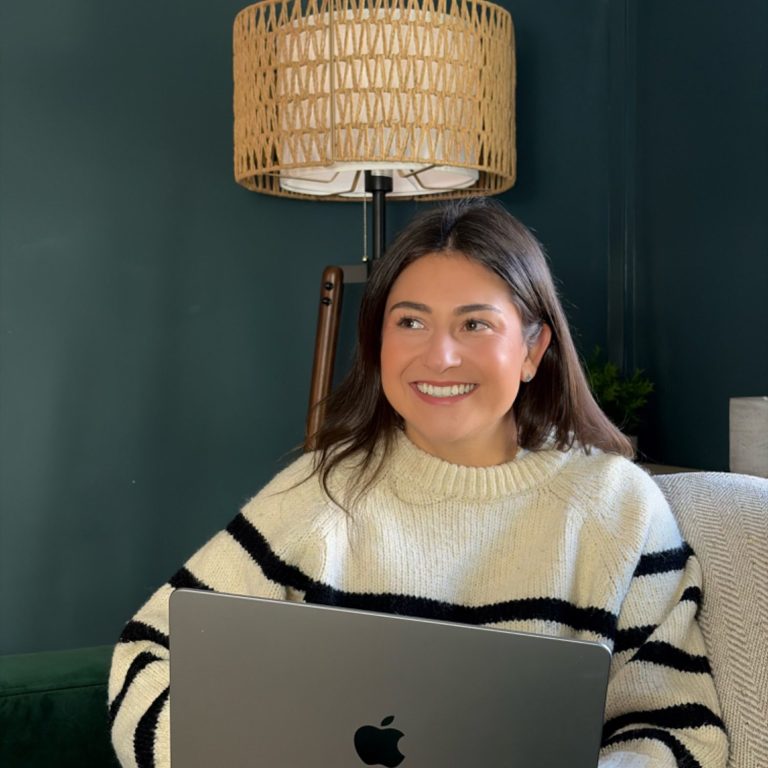
Hello, I'm Isabella, a HCPC registered dramatherapist working privately in Bishops Stortford. With a degree in Psychology and a Masters degree in Dramatherapy, i've spent over 5 years at university to fully train and qualify as a psychotherapist.
About me
After spending years personally finding the benefit of creativity on mental wellbeing I decided to investigate this whilst studying Psychology at university. When exploring this idea, the results of the study suggested that mental wellbeing was improved through the arts. Specifically when each participants mood increased straight away from a drama and movement activity, I knew this was the area I wanted to specialise in. I then undertook my training to become a psychotherapist and now I'm qualified to support others through life's challenges using creative means.
After extensive training and work placements, I now have experience working with individuals from young children to elderly adults. Each person is individual, which is why my approach is client-led and unique to everyone I work with. So far, I have worked in schools and in the NHS, specialising in forensics, and am now currently in the private sector.
My experience includes but is not limited to:
- Neurodivergence
- Anxiety, Depression, OCD
- Personality disorders, Psychosis, Schizophrenia
- Bipolar, PTSD

Dramatherapy
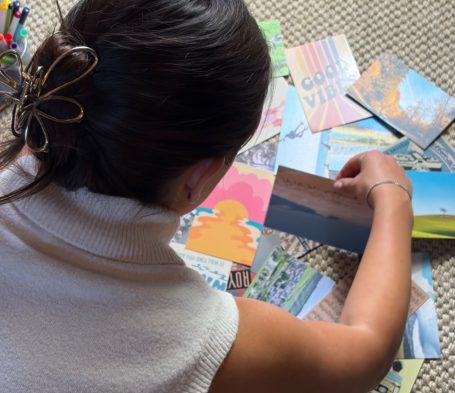
Dramatherapy is a form of psychotherapy that uses drama and creative expression to help explore emotions, develop self-awareness, build confidence, and address psychological or behavioural challenges. Sessions include various forms of creativity that is tailored to the specific needs of the client. Used alongside or instead of words, creative elements we can use include breathwork, visualisation, storytelling, art, drawing, games, objects, role-play and movement.
How dramatherapy can help you
Your space, however you arrive. Just come as you are.
Life can sometimes feel overwhelming, and it’s not always easy to put feelings into words. Dramatherapy offers a safe and creative space to explore what’s going on for you, using story, imagination, movement, and play. Experience in the arts is not needed - dramatherapy is not about performing, it’s about finding new ways to understand yourself.
Through dramatherapy, you may find that you can:
Express yourself more easily – when talking feels too hard, creativity can aid expression.
See your story differently – exploring experiences can bring new insights and perspectives.
Grow in confidence – trying out new roles and ways of being can help you feel stronger and more at ease with yourself.
Discover tools to cope – creative approaches can support you in managing stress, anxiety, or challenges in daily life.
Improve relationships – exploring how you relate to yourself and others can open up new ways of connecting.
Reconnect with playfulness and joy – play isn’t just for children; it can help us rediscover resilience and hope.
Dramatherapy can be especially supportive if you’d like to work in a way that’s gentle, imaginative, and not just focused on talking.